
Blackjack: A Timeless Blend of Skill, Strategy, and Chance
Blackjack, also known as “21,” is one of the most iconic and widely played card games in casinos around the world. Its enduring popularity comes from a unique combination of simple rules, fast gameplay, and the rare opportunity for players to influence the outcome through strategy rather than relying solely on luck. Unlike many other casino games in which the house holds all the control, blackjack invites players to make meaningful decisions that can significantly reduce the house edge. This blend of skill and chance has made blackjack a favorite for casual gamblers, strategic thinkers, and professional players alike.
How Blackjack Works
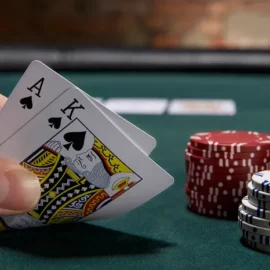
At its core, the goal of blackjack is straightforward: achieve a hand total closer to 21 than the dealer without exceeding that number. Numbered cards retain their face value, face cards count as ten, and the ace can be worth either one or eleven, depending on what benefits the player most. Each round begins with players placing their bets, after which they receive two cards face up, while the dealer receives one visible card and one hidden card.
Players must then decide how to act—hit, stand, split, or double down—based on the strength of their hand and the dealer’s upcard. The player’s decisions are what make blackjack unique: unlike games purely based on luck, blackjack rewards those who use strategic thinking.
The Importance of Strategy
One of the reasons blackjack appeals to so many players is that it offers a relatively low house edge when played correctly. Basic strategy, a mathematically optimized set of decisions, tells players exactly what to do in every situation based on millions of simulations. By following basic strategy, the house edge can drop to around 0.5%, making blackjack one of the most favorable games for players.
Basic strategy charts may appear complex, but they are simply the result of probability calculations. For example, when the dealer shows a weak card such as a 5 or 6, players are often advised to stand on moderate totals because the dealer is more likely to bust. Conversely, when the dealer shows a 10 or an ace, players are encouraged to hit more aggressively. Mastering this strategy improves confidence and significantly enhances long-term results.
More advanced players sometimes use card counting, a technique that became famous through movies and books about blackjack teams. While not illegal, card counting is discouraged in casinos, and many modern blackjack tables use multiple decks or continuous shuffling machines to make it more difficult.
Variations, Online Play, and Modern Appeal
Another feature that contributes to blackjack’s popularity is the wide range of variations available. Games such as Spanish 21, Pontoon, and Double Exposure Blackjack introduce rule changes that alter strategy and odds. Many tables also offer optional side bets like Perfect Pairs or 21+3, which add excitement but generally come with a higher house edge.
The rise of online casinos has also made blackjack more accessible than ever. Players can enjoy digital versions of the game or participate in live dealer sessions, which replicate the feel of a real casino with the convenience of playing from home.
Despite the game’s strategic depth, blackjack remains welcoming to beginners. The rules are simple, the pace is fast, and the social atmosphere at blackjack tables enhances the experience. However, discipline and emotional control are important. Even with perfect strategy, losing streaks occur, and players must manage their bankrolls responsibly, avoiding impulsive decisions.
Conclusion
Blackjack continues to be a beloved casino classic because it perfectly balances skill and chance. It rewards strategic thinking while preserving the exciting unpredictability that makes gambling enjoyable. Whether played in a lively casino, at home with friends, or online with a live dealer, blackjack offers a rich and engaging experience that has entertained players for generations—and will continue to do so for many more.